Explore the Benefits of Essential Oils for Your Pet's Wellness and Comfort

Pets bring joy and companionship to our lives, and their well-being is a top priority for every pet owner. Many are turning to natural remedies to support their pets’ health, and essential oils have gained attention as a gentle way to promote calm, comfort, and overall wellness. This post explores how essential oils can benefit your pet, how to use them safely, and which oils are best suited for different needs.
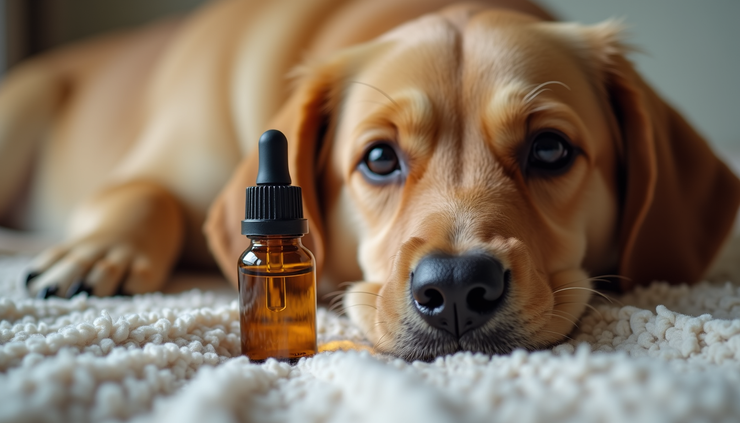
What Are Essential Oils and How Can They Help Pets?
Essential oils are concentrated plant extracts that capture the natural scent and beneficial properties of herbs, flowers, and other botanicals. They have been used for centuries in human wellness for their calming, antiseptic, and healing effects. When used properly, essential oils can also support pets by:
Reducing anxiety and stress during travel, thunderstorms, or vet visits
Soothing skin irritations and minor wounds
Repelling insects naturally without harsh chemicals
Supporting respiratory health and easing congestion
The key is understanding that pets have different sensitivities than humans. Essential oils must be diluted and chosen carefully to avoid harm.
Safe Use of Essential Oils for Pets
Safety is the most important factor when using essential oils with pets. Here are essential guidelines to follow:
Consult a veterinarian before introducing any essential oils, especially if your pet has health conditions or is pregnant.
Use only high-quality, pure essential oils without additives or synthetic fragrances.
Always dilute oils with a carrier oil like coconut or almond oil before applying to your pet’s skin.
Avoid applying oils near your pet’s eyes, nose, mouth, or genitals.
Never allow pets to ingest essential oils.
Use oils in well-ventilated areas and observe your pet for any signs of discomfort or allergic reaction.
Some animals, especially cats, are more sensitive to certain oils and should avoid oils like tea tree, eucalyptus, and peppermint.
Essential Oils That Promote Calm and Reduce Anxiety
Pets can experience anxiety from separation, loud noises, or changes in their environment. Certain essential oils have calming properties that help soothe nervous pets:
Lavender: Known for its relaxing scent, lavender can reduce stress and promote restful sleep.
Chamomile: Gentle and calming, chamomile helps ease anxiety and nervousness.
Frankincense: Supports emotional balance and reduces feelings of fear or agitation.
You can use these oils in a diffuser placed in your pet’s resting area or apply a diluted drop on their collar or bedding.
Oils That Support Skin Health and Comfort
Pets often suffer from dry skin, itching, or minor wounds. Some essential oils have anti-inflammatory and antimicrobial properties that can help:
Calendula: Soothes irritated skin and promotes healing.
Geranium: Helps balance skin oils and reduce inflammation.
Helichrysum: Known for its skin regenerative properties and pain relief.
Always dilute these oils well and test a small patch of skin first to check for sensitivity.
Natural Insect Repellents for Pets
Insects like fleas, ticks, and mosquitoes can cause discomfort and transmit diseases. Essential oils offer a natural alternative to chemical repellents:
Cedarwood: Repels fleas and ticks effectively.
Lemongrass: Acts as a natural insect deterrent.
Rosemary: Helps keep mosquitoes at bay.
Create a spray by mixing a few drops of these oils with water and a carrier oil, then lightly mist your pet’s fur. Avoid spraying directly on the face.
How to Introduce Essential Oils to Your Pet
Introducing essential oils should be gradual and gentle:
Start with a low concentration and observe your pet’s reaction.
Use a diffuser in a separate room to allow your pet to approach or leave as they wish.
Apply diluted oils to collars, bedding, or areas your pet frequents.
Never force your pet to stay near strong scents.
Monitor for signs of irritation, coughing, sneezing, or behavioral changes.
If any adverse reaction occurs, stop use immediately and consult your vet.
Practical Examples of Using Essential Oils for Pets
Travel anxiety: Diffuse lavender oil in the car or apply a diluted drop on your pet’s collar to help calm nerves.
Itchy skin relief: Mix calendula oil with coconut oil and gently massage into affected areas.
Flea prevention: Spray a diluted cedarwood and lemongrass blend on your pet’s coat weekly during flea season.
Post-vet stress: Use chamomile oil in a diffuser at home to create a soothing environment.
When to Avoid Essential Oils
Some situations require extra caution or avoidance of essential oils:
Pets with respiratory issues like asthma
Pregnant or nursing animals
Very young or elderly pets
Cats, due to their unique metabolism, should avoid many essential oils unless under veterinary guidance
Always prioritize your pet’s safety and comfort over experimentation.
Final Thoughts on Essential Oils for Pets
Essential oils can be a valuable tool to support your pet’s wellness and comfort when used thoughtfully and safely. They offer natural ways to reduce anxiety, soothe skin, and repel insects without harsh chemicals. The best approach is to research each oil, consult your veterinarian, and introduce oils slowly while watching your pet’s response.
Comments